UK & Europe
Exhibition stand design & Build
We don’t just build exhibition stands – we create the concepts to elevate your BRAND
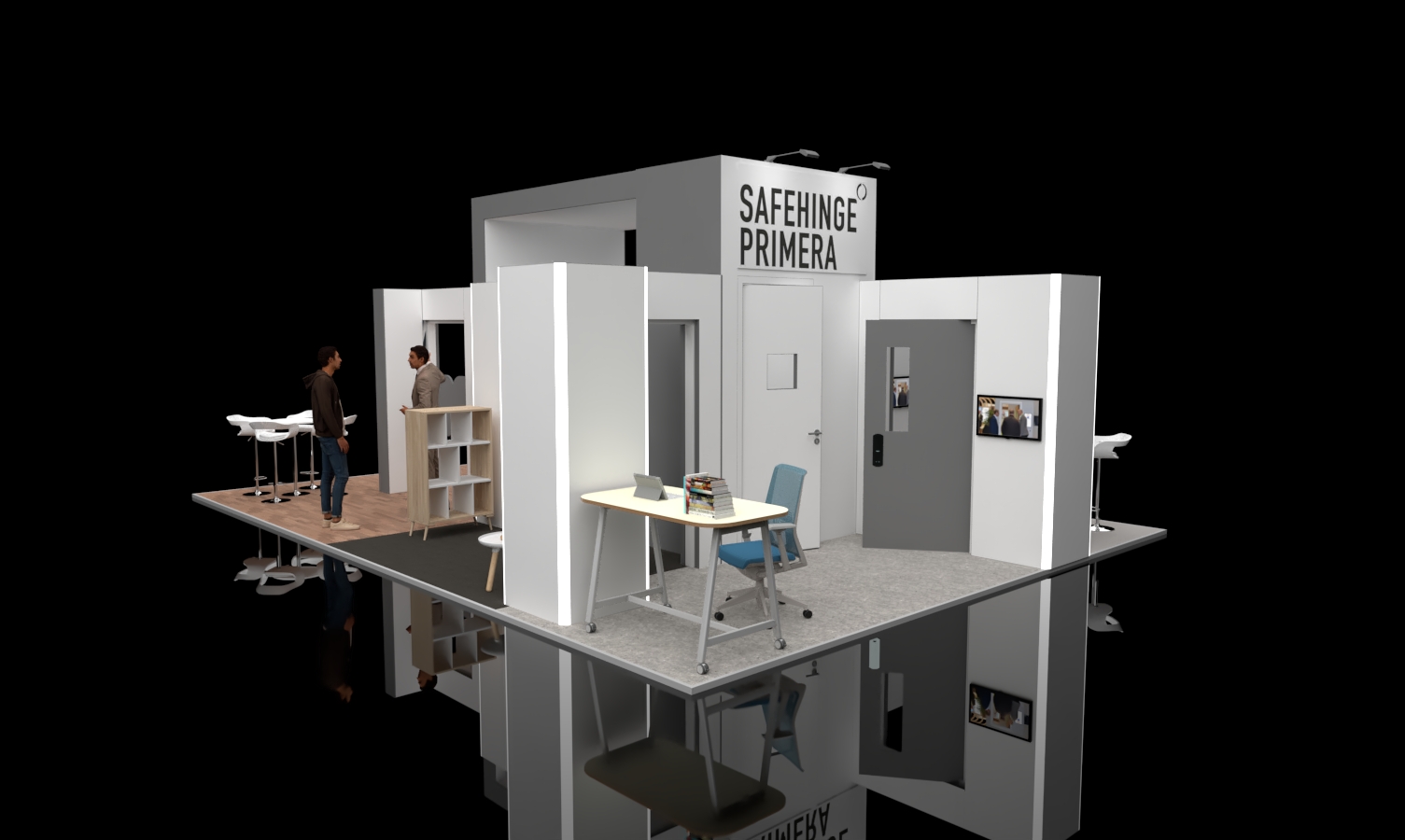
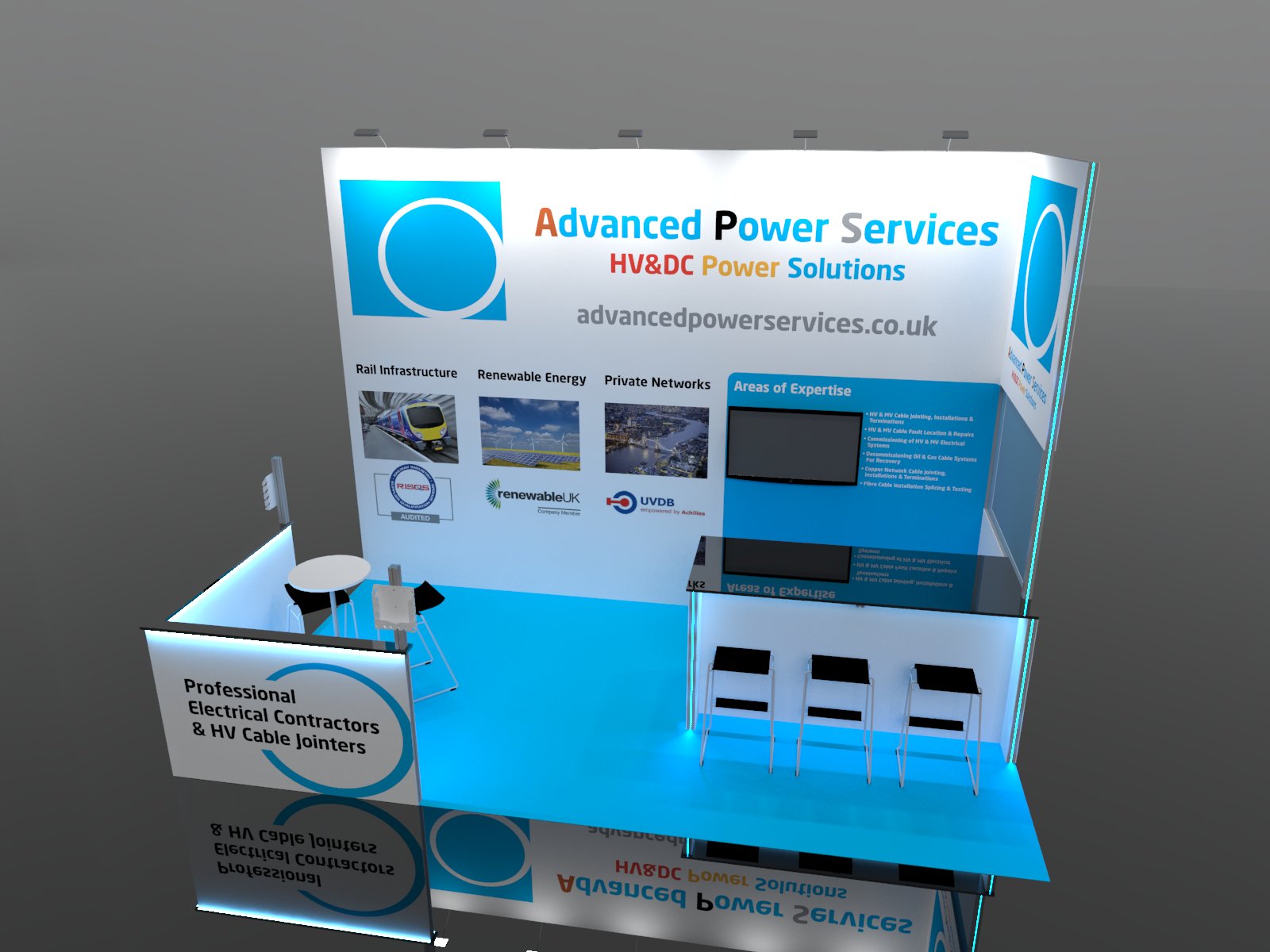
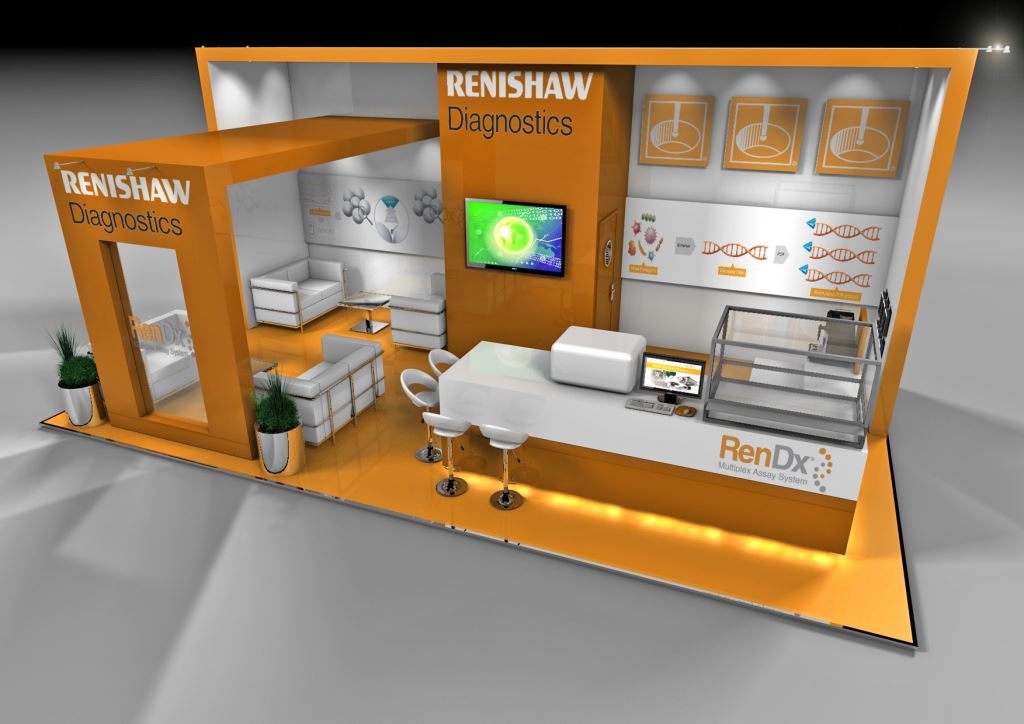
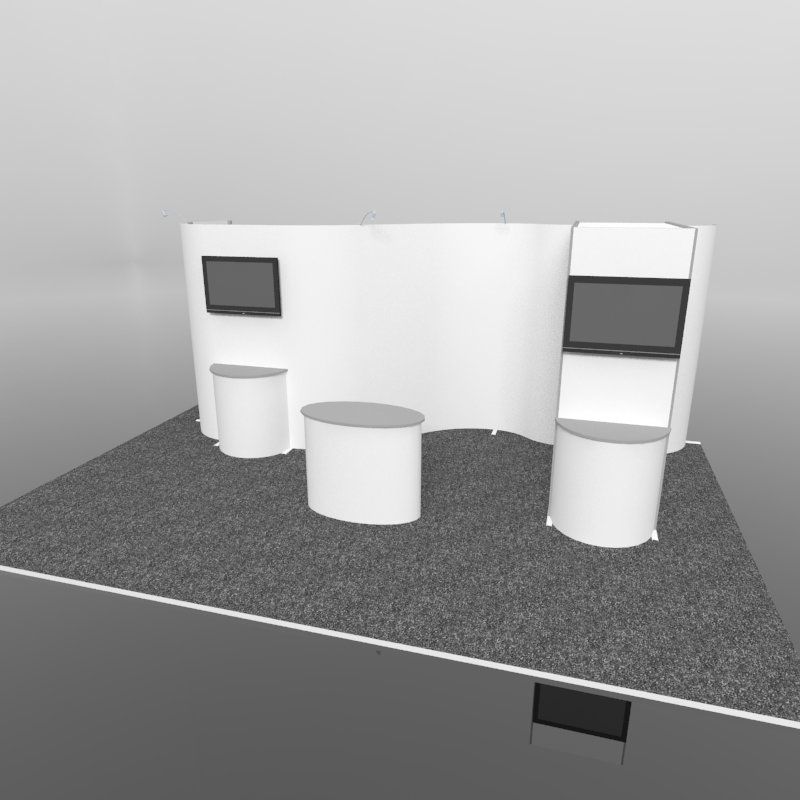
Exhibition Stand Designs: The Ultimate Guide to High-Impact Trade Show booths for 2026
In the crowded landscape of a trade show hall, you have roughly three seconds to capture a visitor’s attention. Your exhibition stand design is more than just a physical structure; it is the three-dimensional embodiment of your brand, a lead-generation engine, and a critical determinant of your event ROI.
Whether you are preparing for a massive international expo or a niche industry conference, understanding the latest trends and structural best practices is essential. This guide explores the most effective exhibition stand designs, cutting-edge trends for 2025, and how to choose the right format for your marketing objectives.
Why Strategic Exhibition Design Matters
Many businesses make the mistake of viewing their stand as simple “floor space.” However, data suggests that 48% of exhibitors believe that an eye-catching design is the most effective way to attract attendees.
- Attracts: Stops the “aisle walker” in their tracks
- Engages: Facilitates meaningful conversation through layout and flow
- Converts: Provides the right environment for demos, data capture and sales
Top Current Trends in Exhibition Design
As we move into the New Year, the “build it and they will come” mentality is dead. Modern audiences demand experience, sustainability, and interactivity.
1. Sustainable & Eco Friendly Stands
Sustainability is no longer a buzzword; it is a requirement. Organisers and attendees alike are scrutinizing the carbon footprint of events. The best exhibition stand designs now utilize:
Recycled Materials: Reclaimed wood, recycled aluminum frames, and cardboard engineering.
Modular Systems: Reusable structures that prevent the “build and burn” waste of traditional custom wooden stands.
LED Lighting: Low-energy illumination that reduces power consumption while increasing visual impact.
2. Immersive Technology and Phygital Spaces
A “Phygital” space blends the physical and digital worlds. Static posters are being replaced by:
Interactive Touchscreens: allowing self-guided product discovery.
AR and VR Zones: Virtual Reality headsets can transport visitors to your factory floor or a virtual demo, saving floor space while expanding the experience.
Gamification: Digital leaderboards and reaction games that encourage dwell time and data capture.
3. Biophilic Design Elements
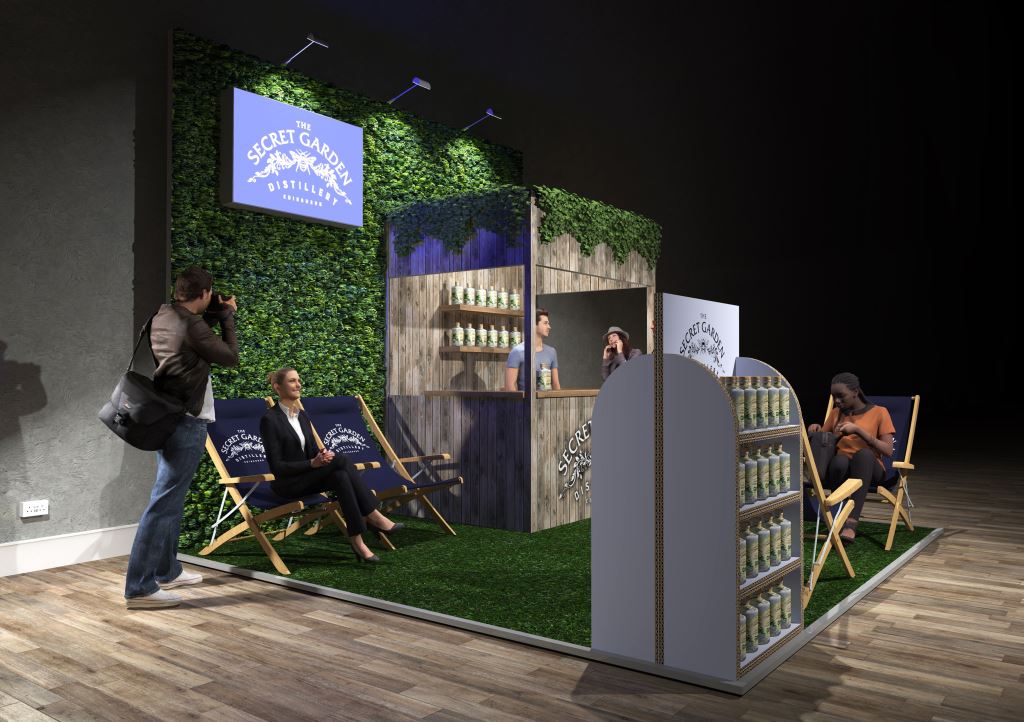
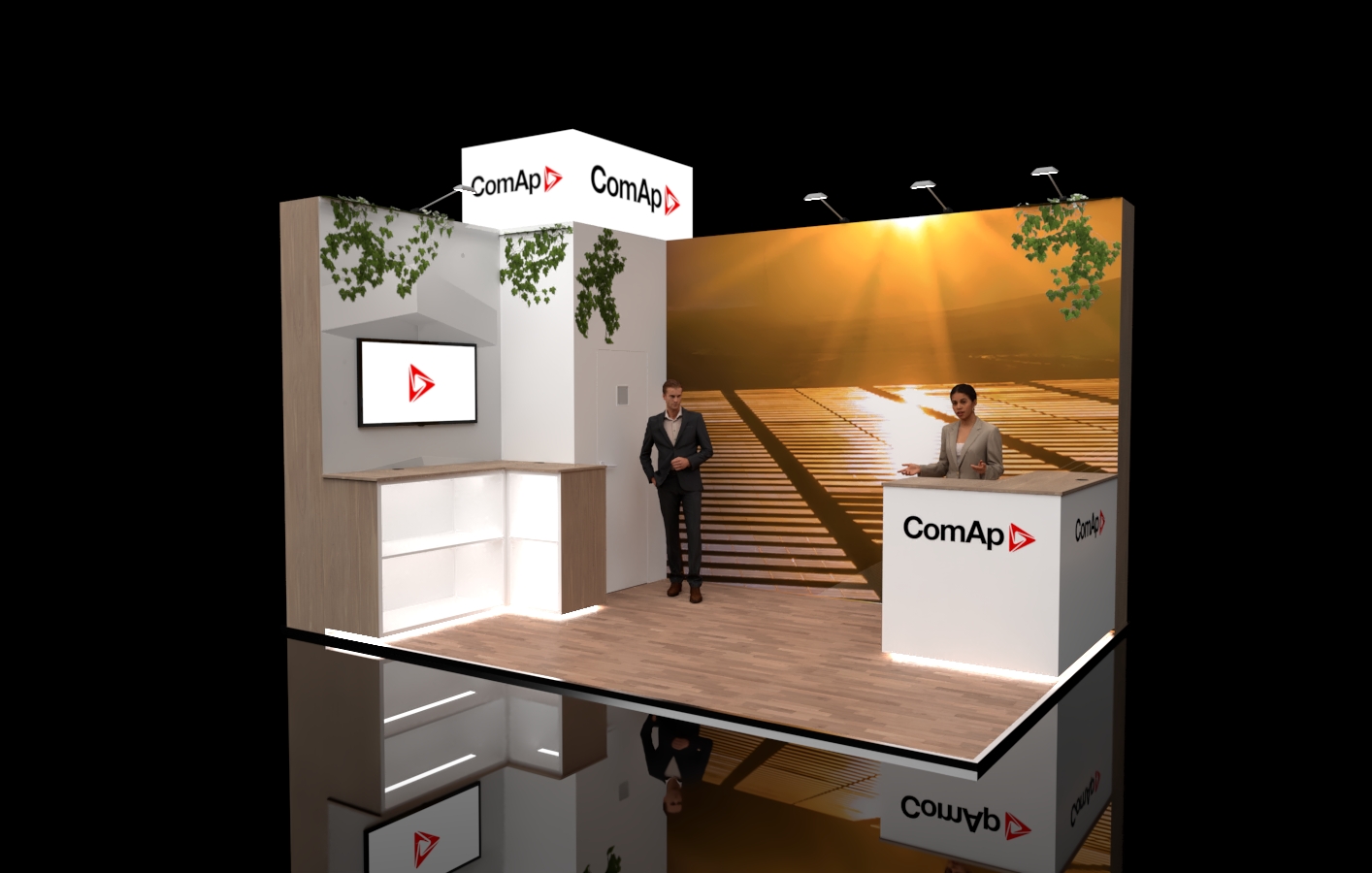
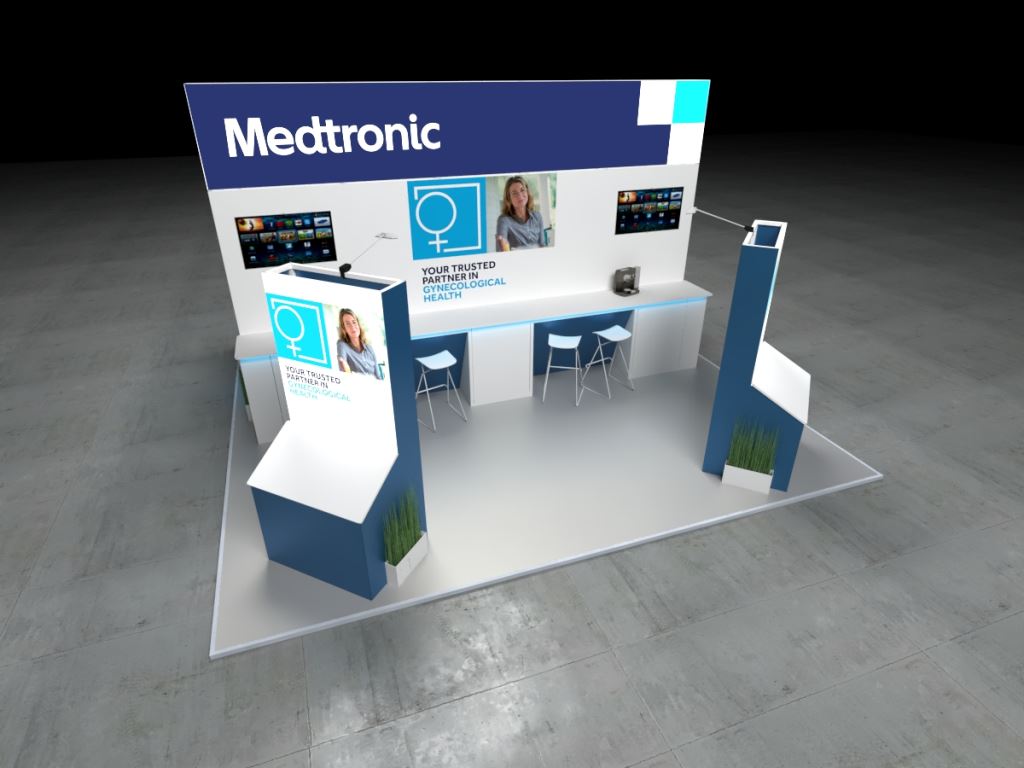
To combat the sterility of convention centers, designers are bringing the outdoors in. “Biophilia” in exhibition stand designs involves living walls, hanging planters, and natural textures like wood and stone. This creates a calming psychological effect that makes visitors more willing to step off the aisle and relax in your space.
Choosing the Right Type of Stand Structure
Your budget, frequency of exhibiting, and brand goals will dictate the structural format of your stand.
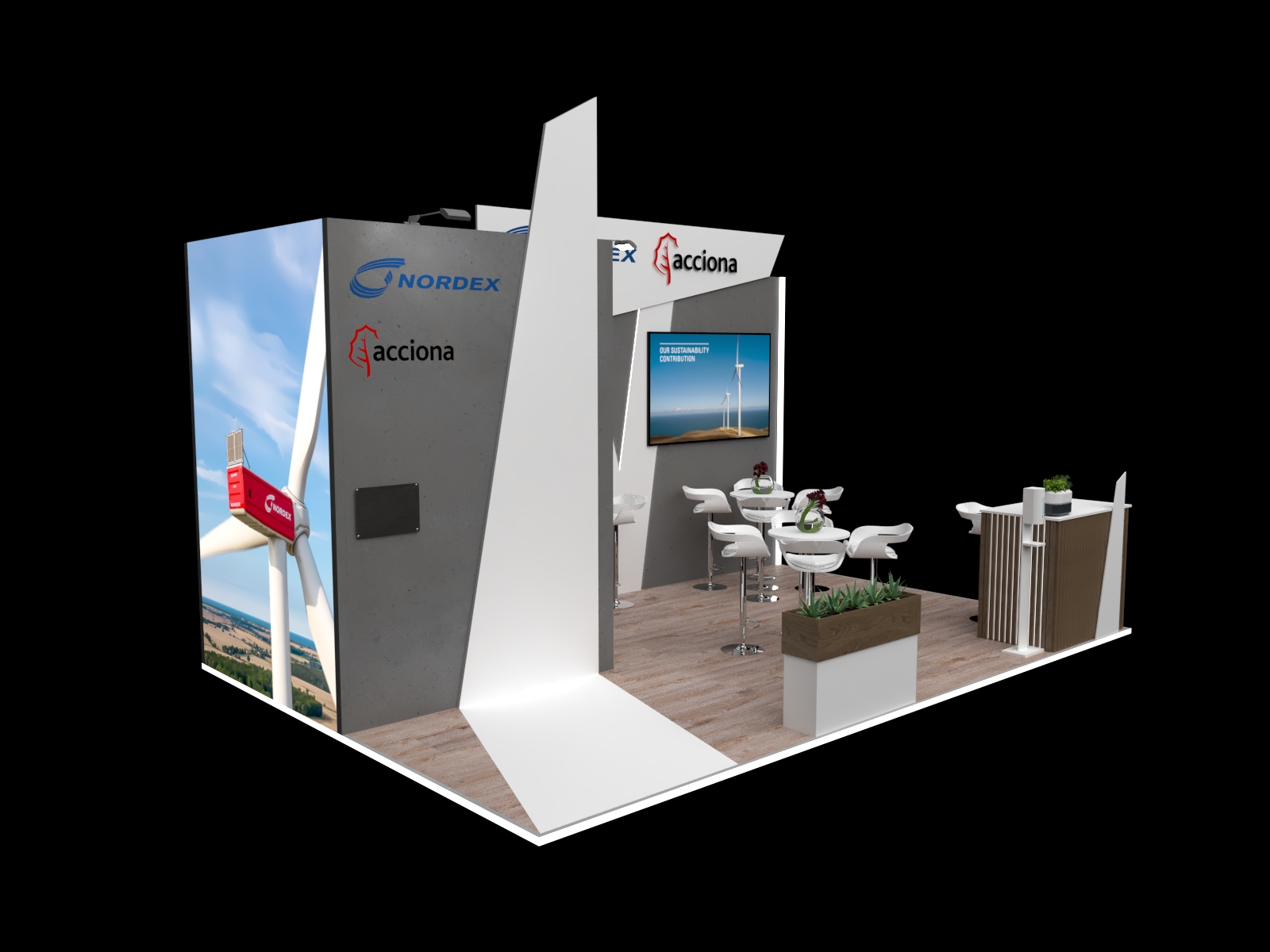
Custom Exhibition Stands
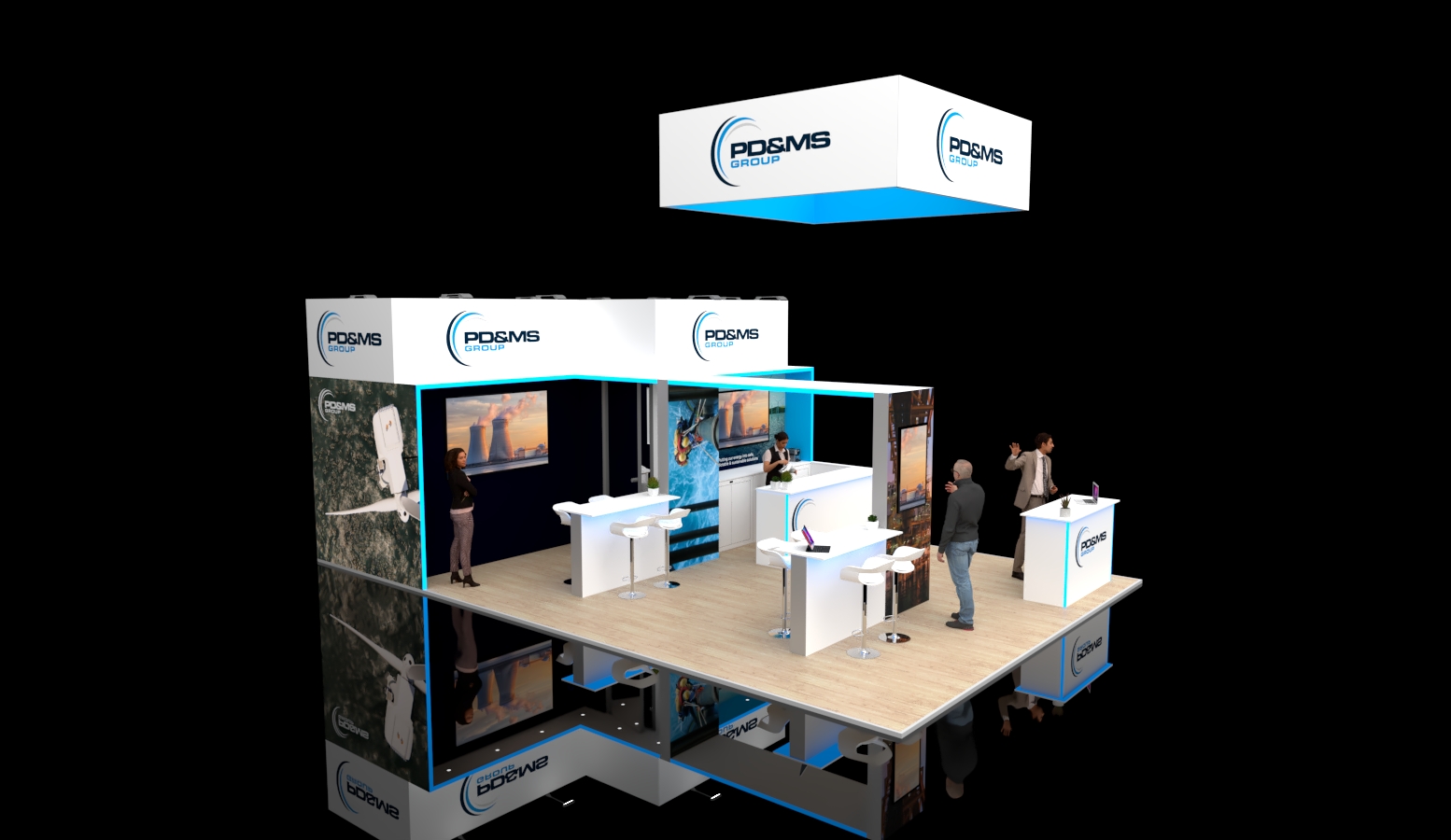
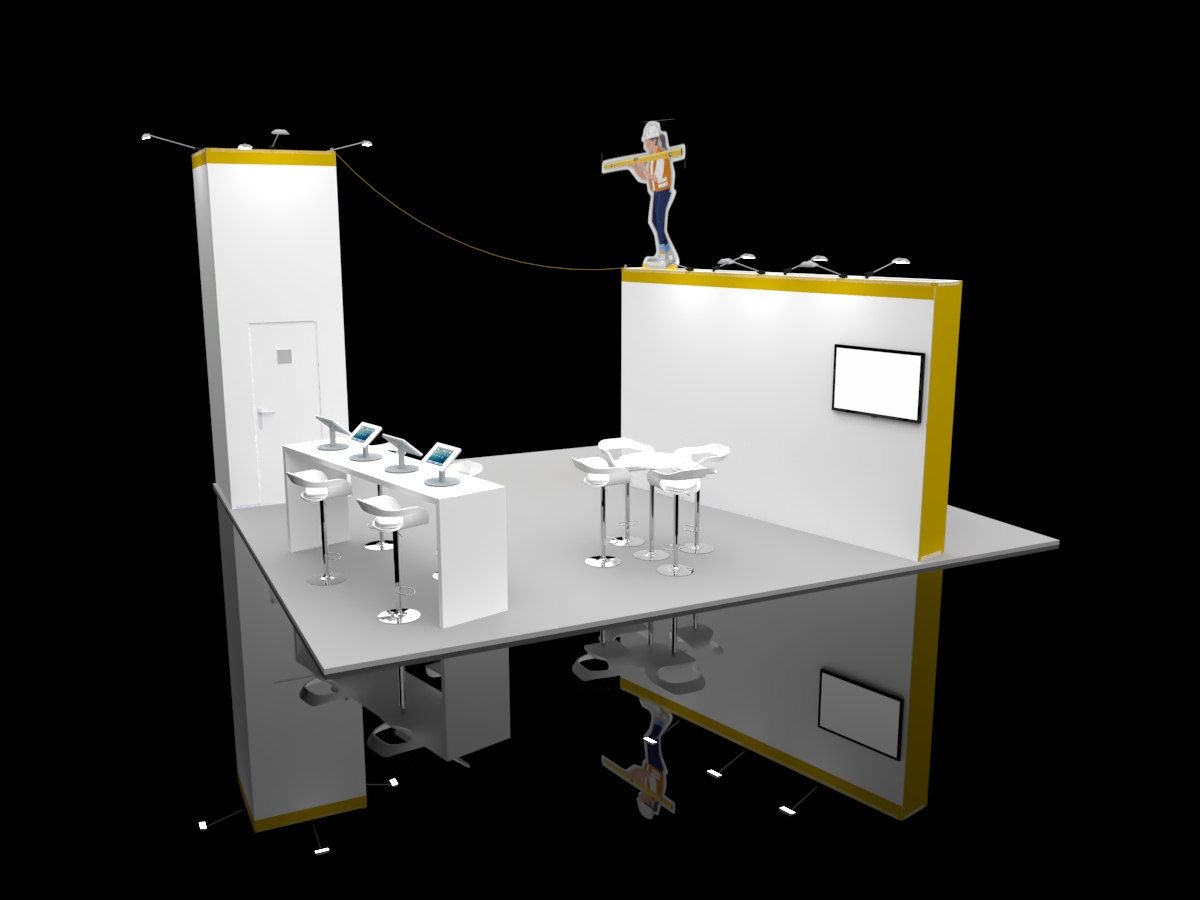
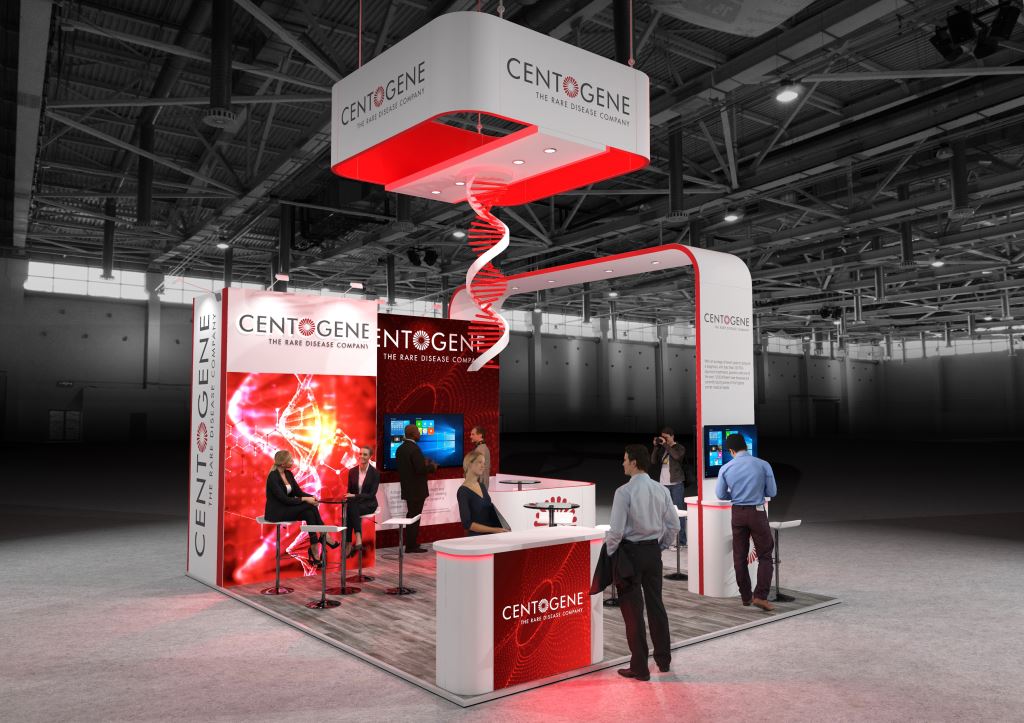
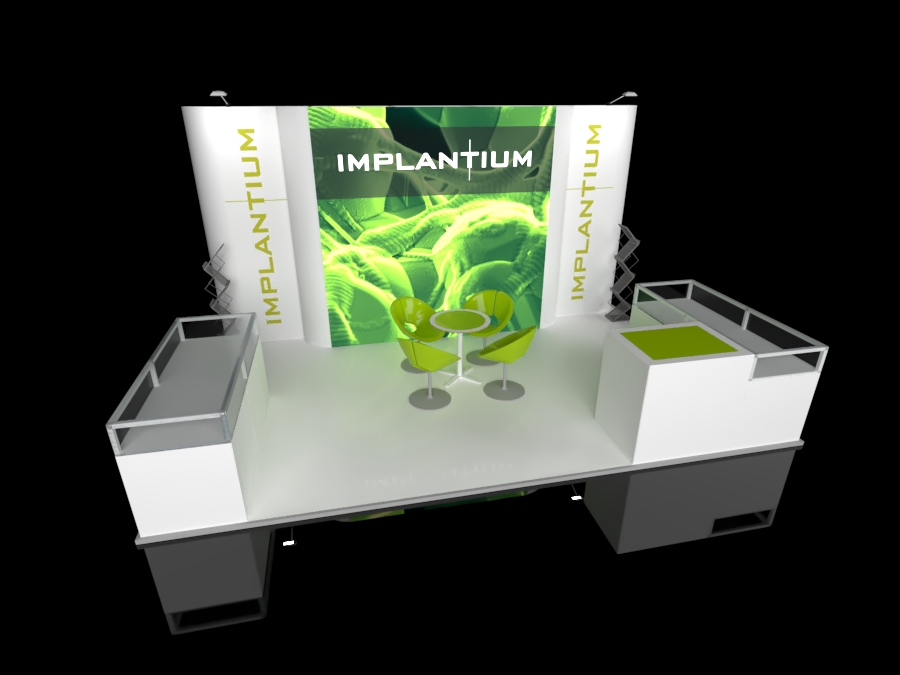
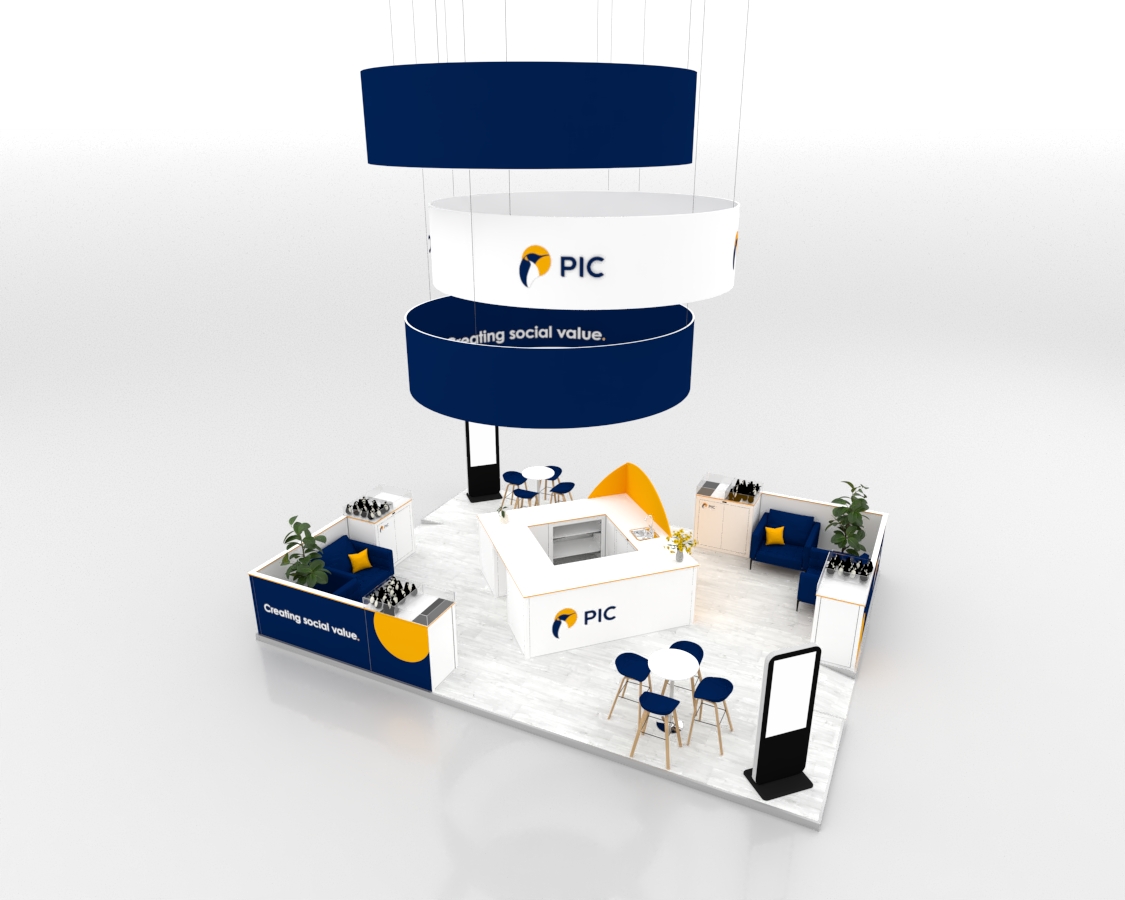
For brands that need to make a definitive statement, custom stands are the gold standard. Built from the ground up (often using timber and steel), these designs offer limitless creativity.
Pros: Complete creative freedom; high impact; unique shapes and height.
Cons: Higher cost; generally single-use (unless stored at high cost).
Best for: Your flagship industry event of the year.
Modular Exhibition Stands
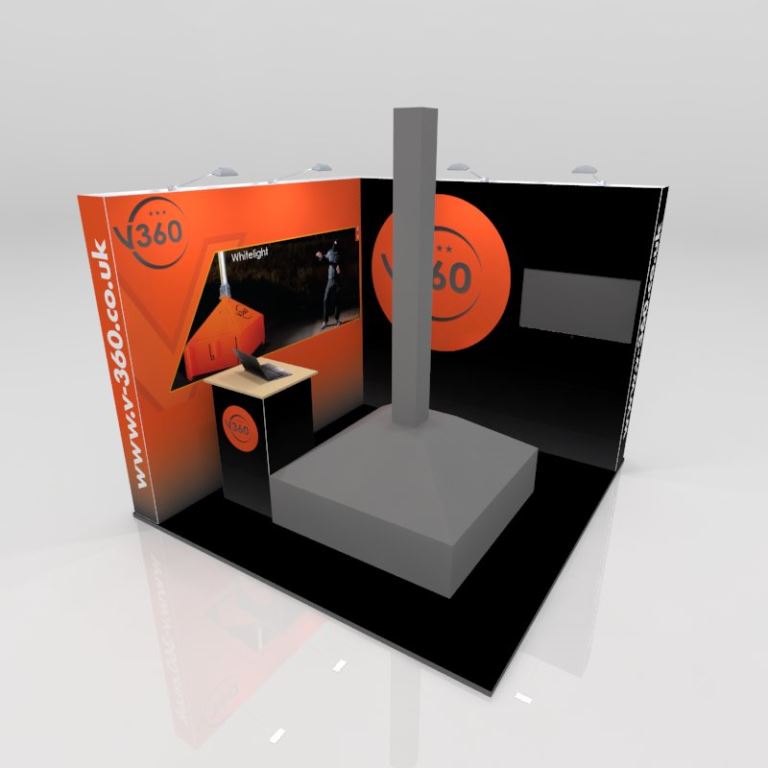
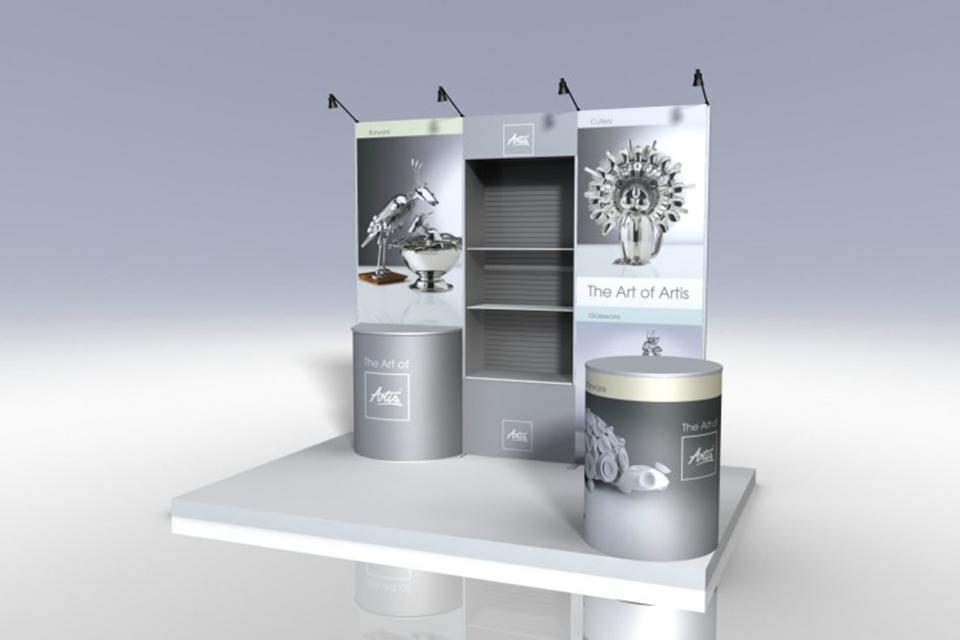
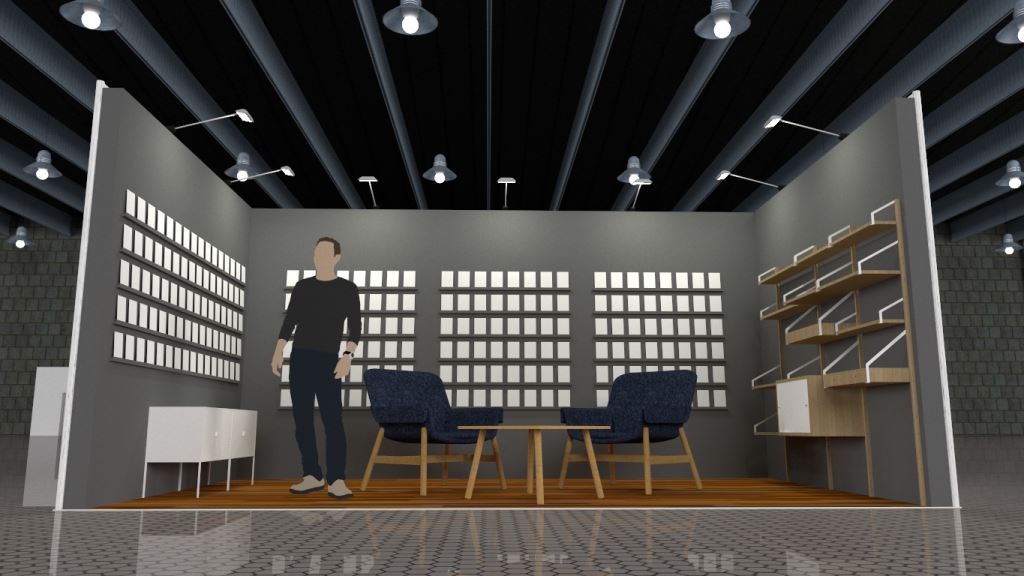
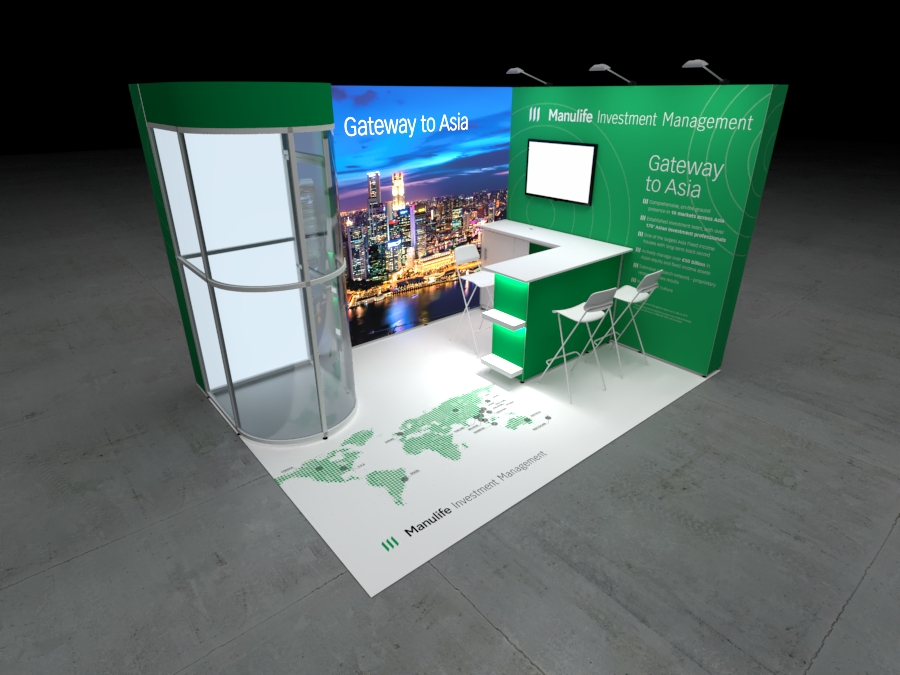
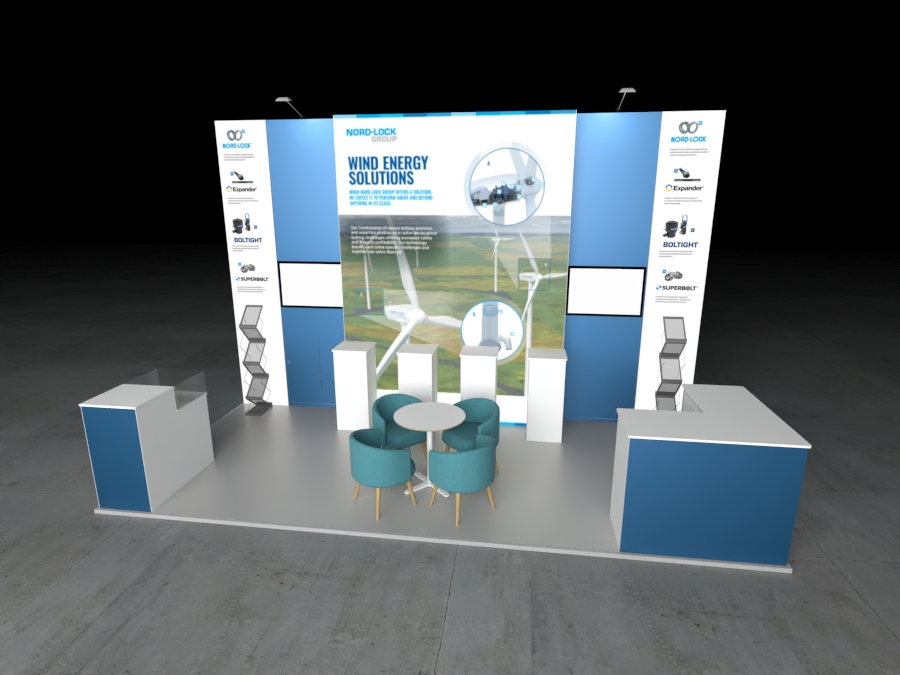
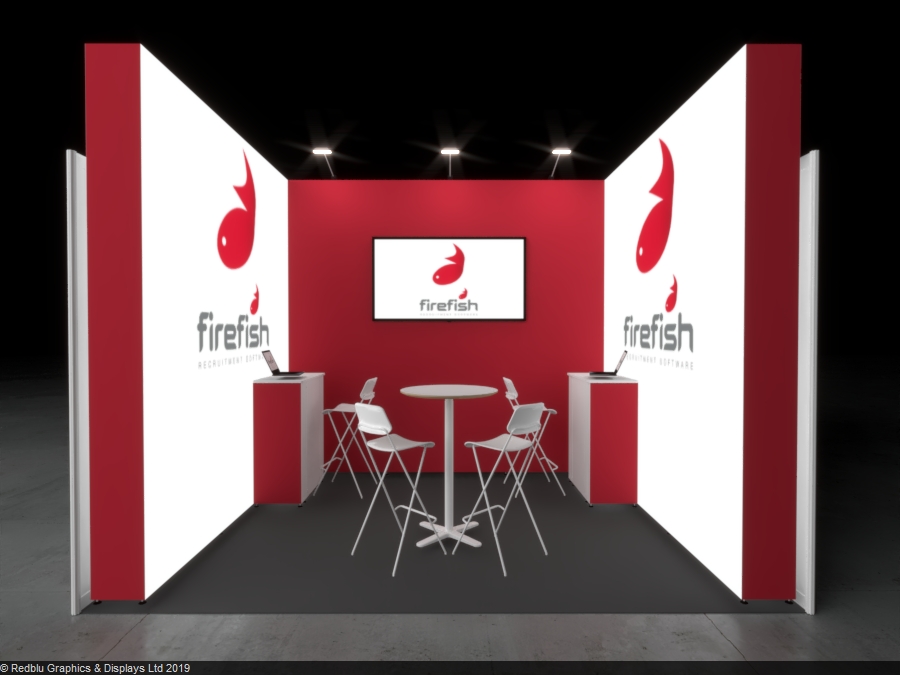
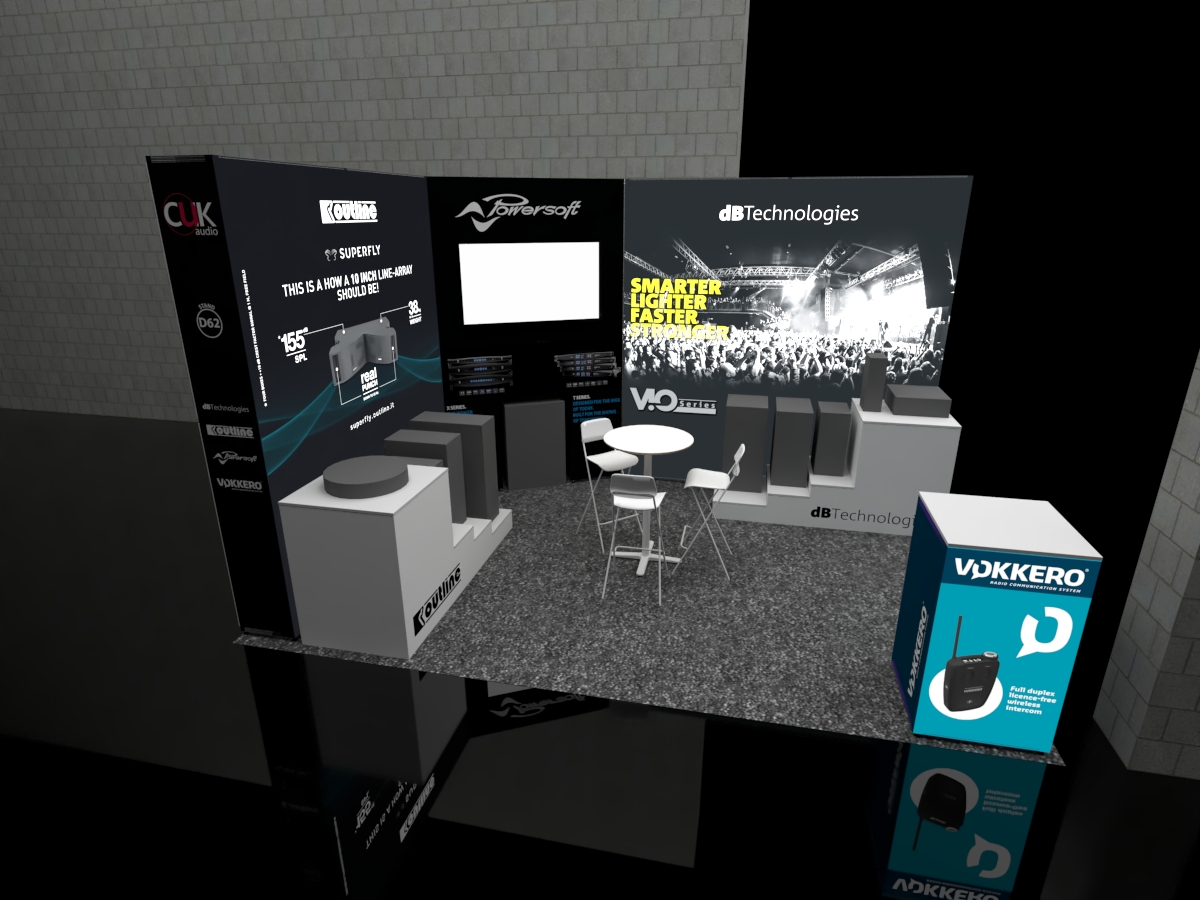
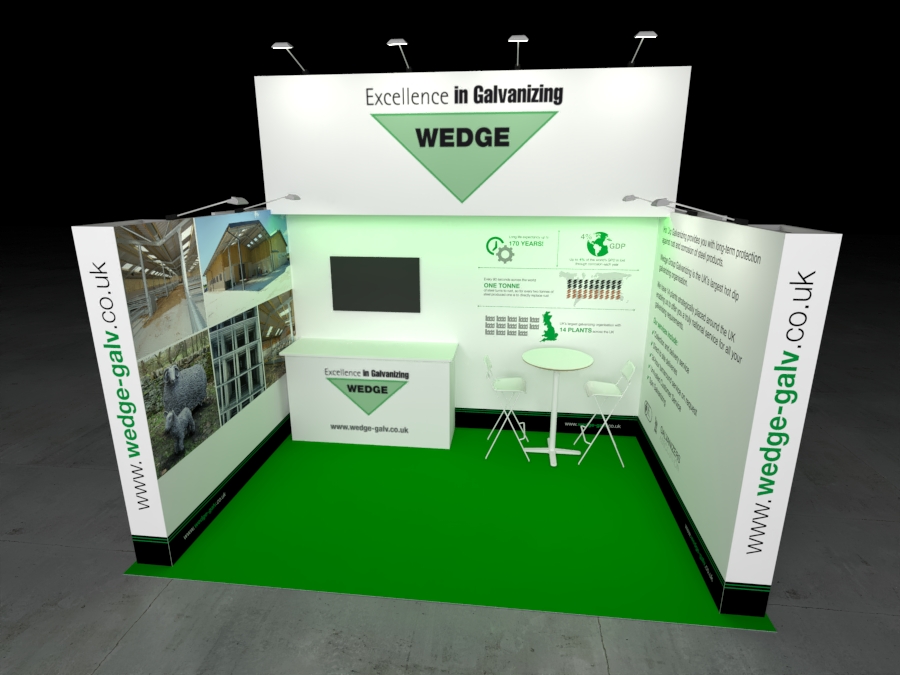
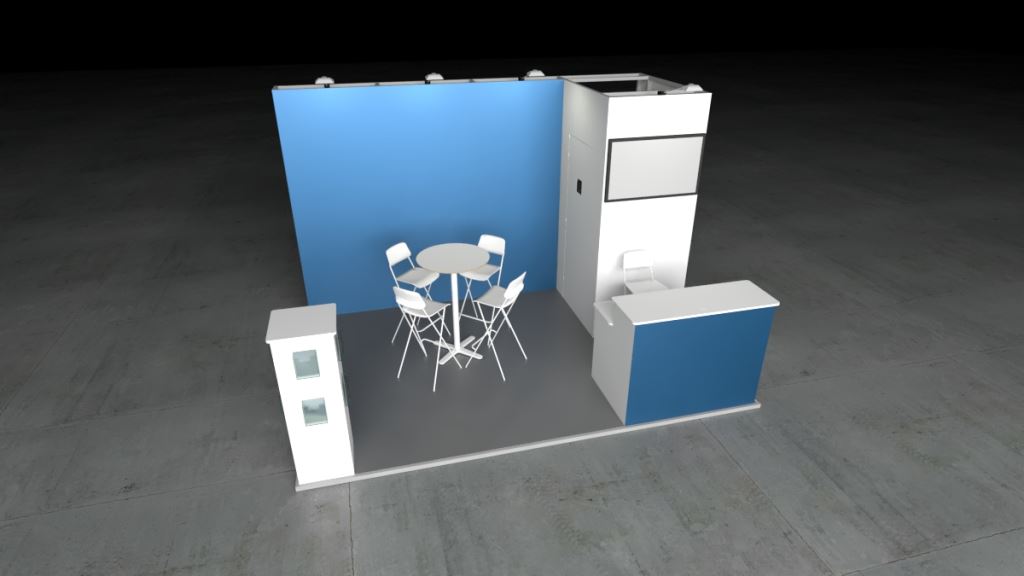
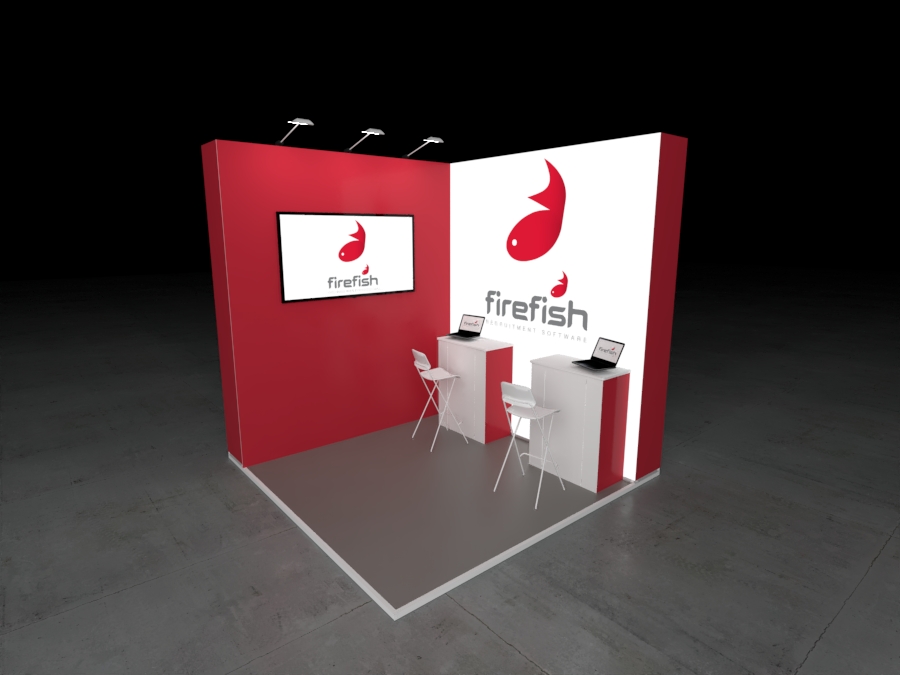
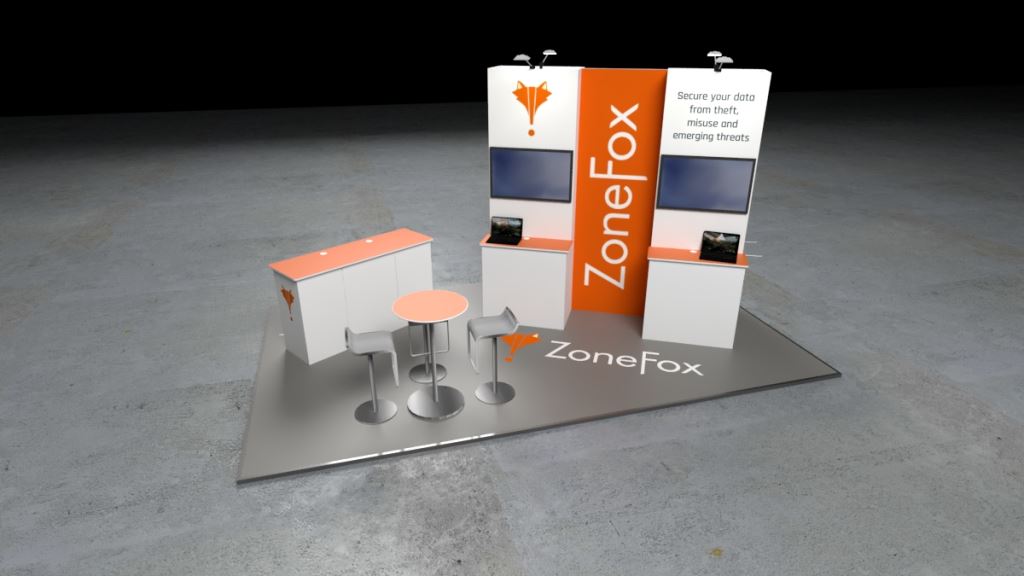
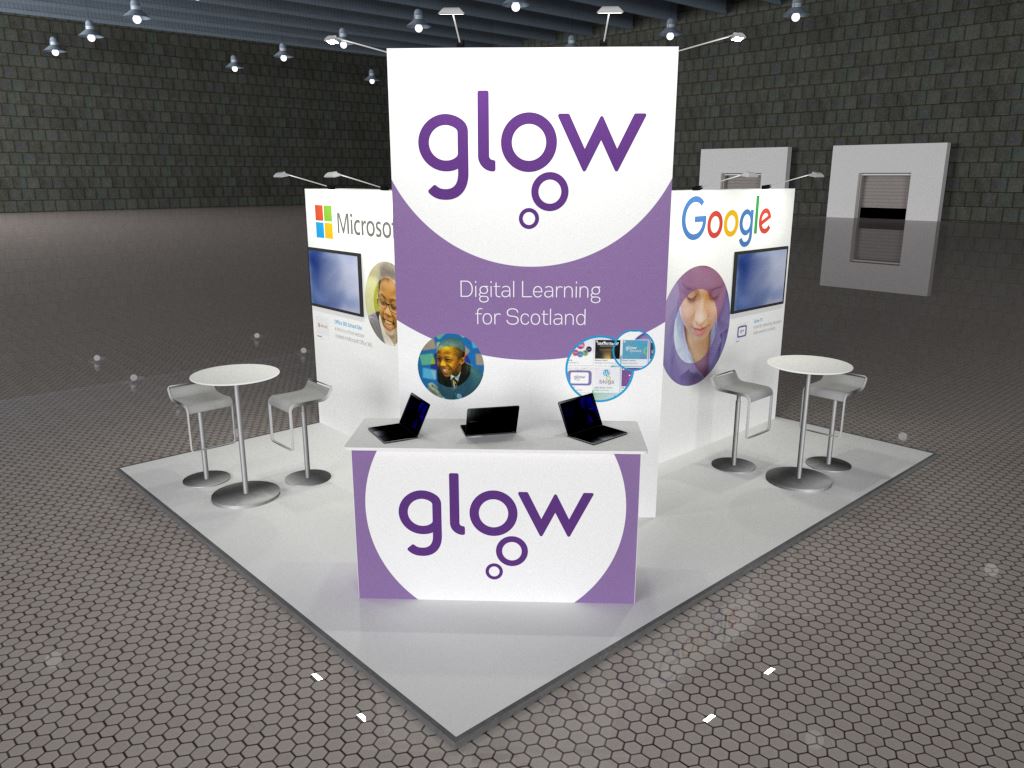
Modular designs are the smart choice for the agile marketer. Using a system of lightweight frames (usually aluminum) and interchangeable graphics, these stands can be reconfigured for different floor space sizes.
Pros: Reusable; cost-effective over multiple shows; sustainable; easy transport.
Cons: Slightly restricted by the frame shapes (though modern systems are very flexible).
Best for: Companies attending 3+ shows a year with varying booth sizes (e.g., a 3x3m at one show and a 6x3m at another).
Shell Scheme Upgrades
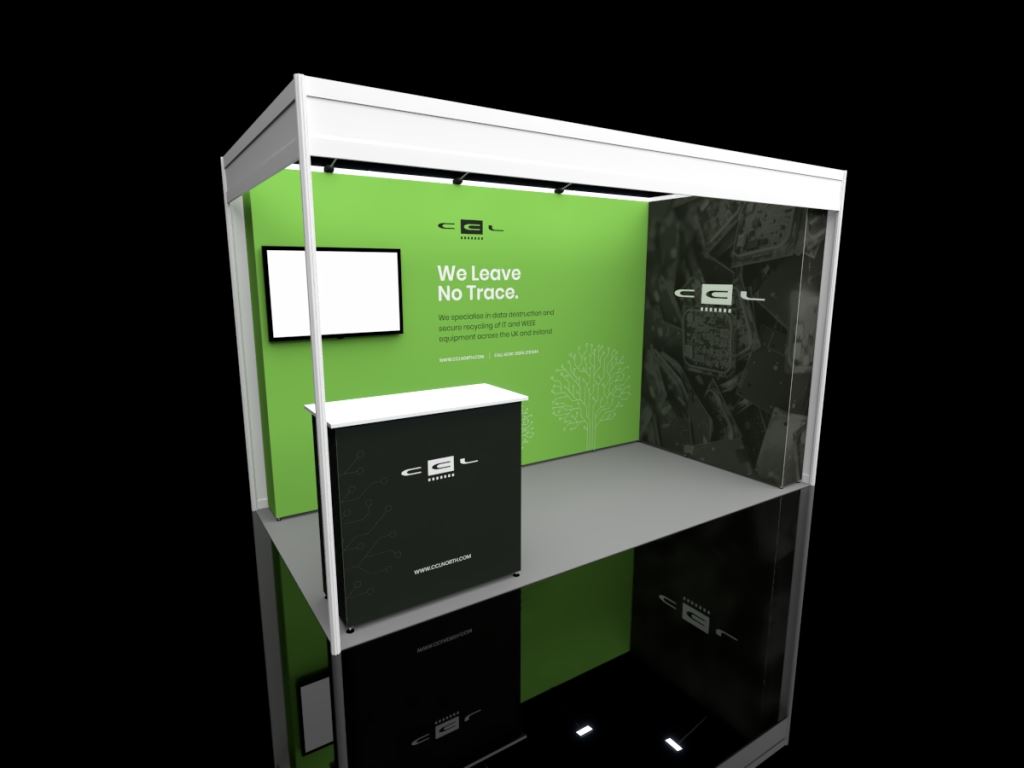
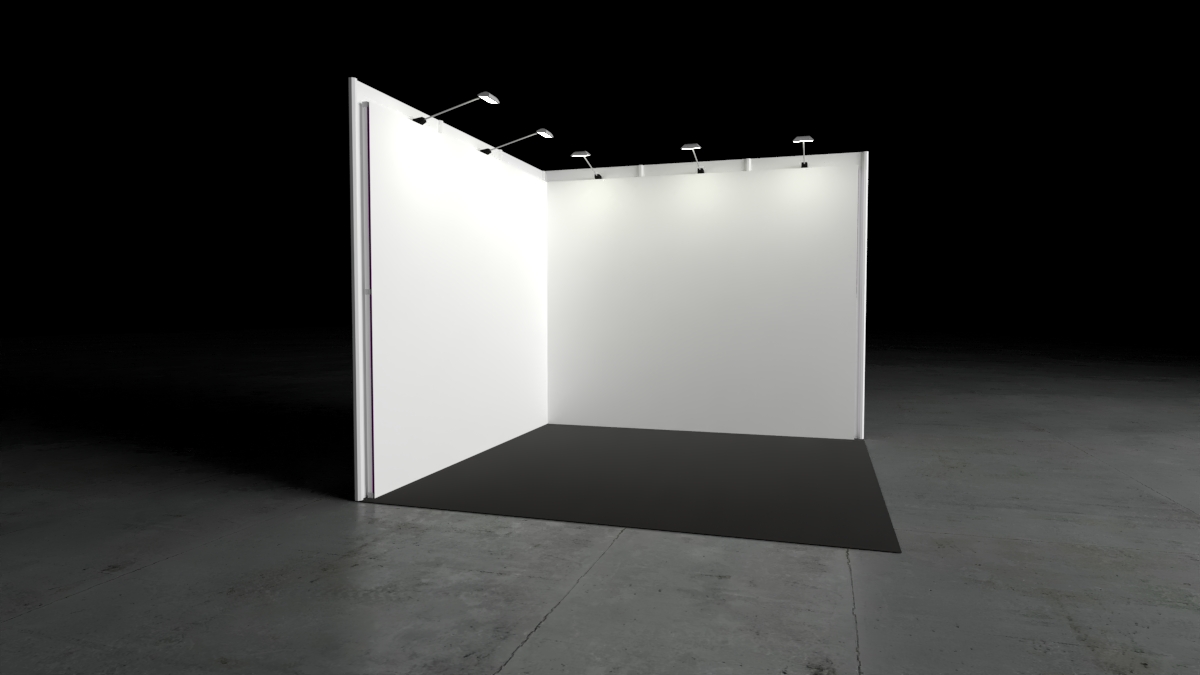
If you have booked a standard “shell scheme” (the basic row package provided by the organizer), you don’t have to settle for Velcro posters.
Seamless Cladding: Cover the ugly aluminum poles with seamless graphic panels.
Fabric Tension Walls: Stretch fabric over frames to create a “custom look” inside a shell scheme.
Key Design Elements that Drive Footfall
Once you have selected your structure, specific design elements must be optimized for user experience (UX).
Lighting: The Unsung Hero
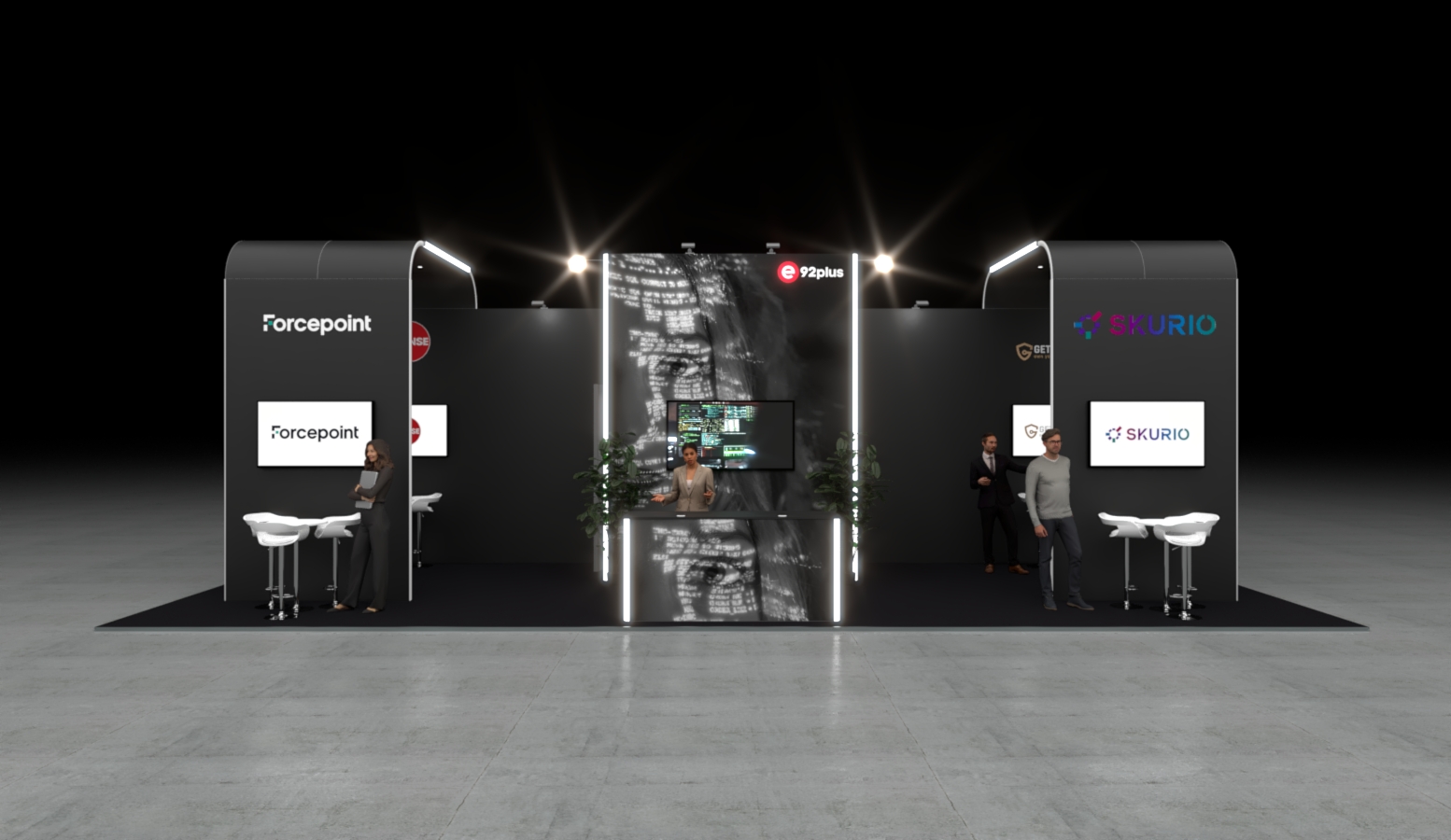
Lighting is the most underutilized tool in exhibition stand design. A brightly lit stand naturally draws the eye.
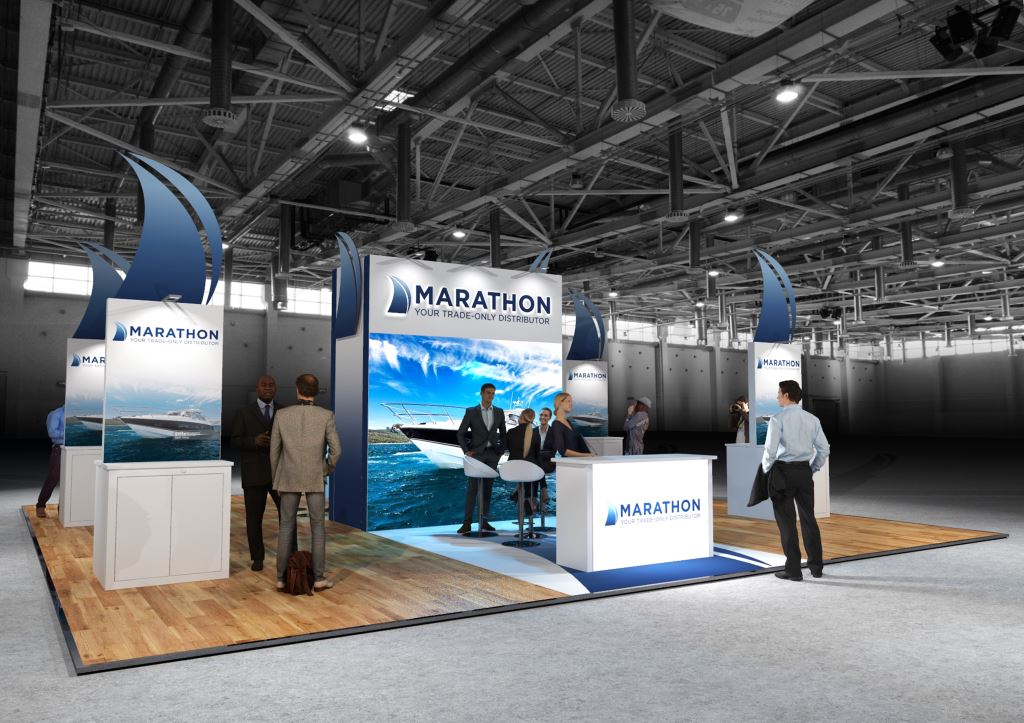
Backlit Graphics: Using lightboxes makes your messaging pop and ensures readability from a distance.
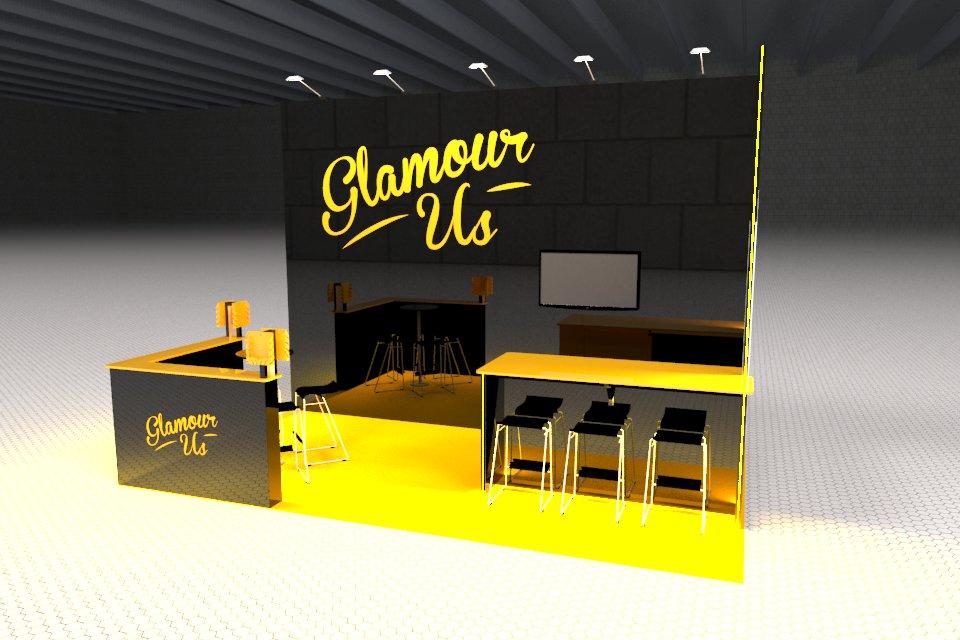
Feature Lighting: Use pendant lights or spotlights to create zones—warm lighting for meeting areas and cool, bright lighting for product demos.
Height and Rigging
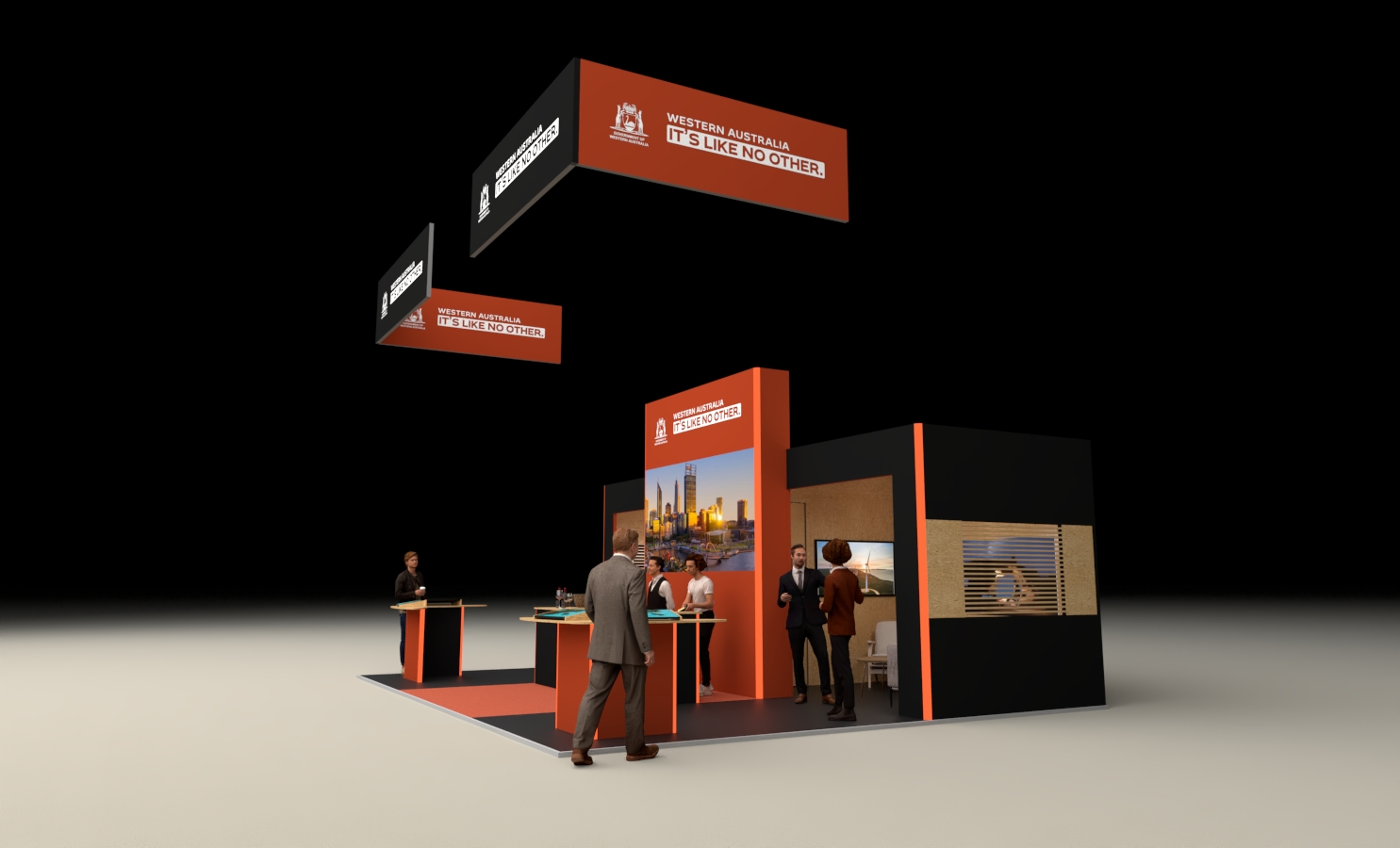
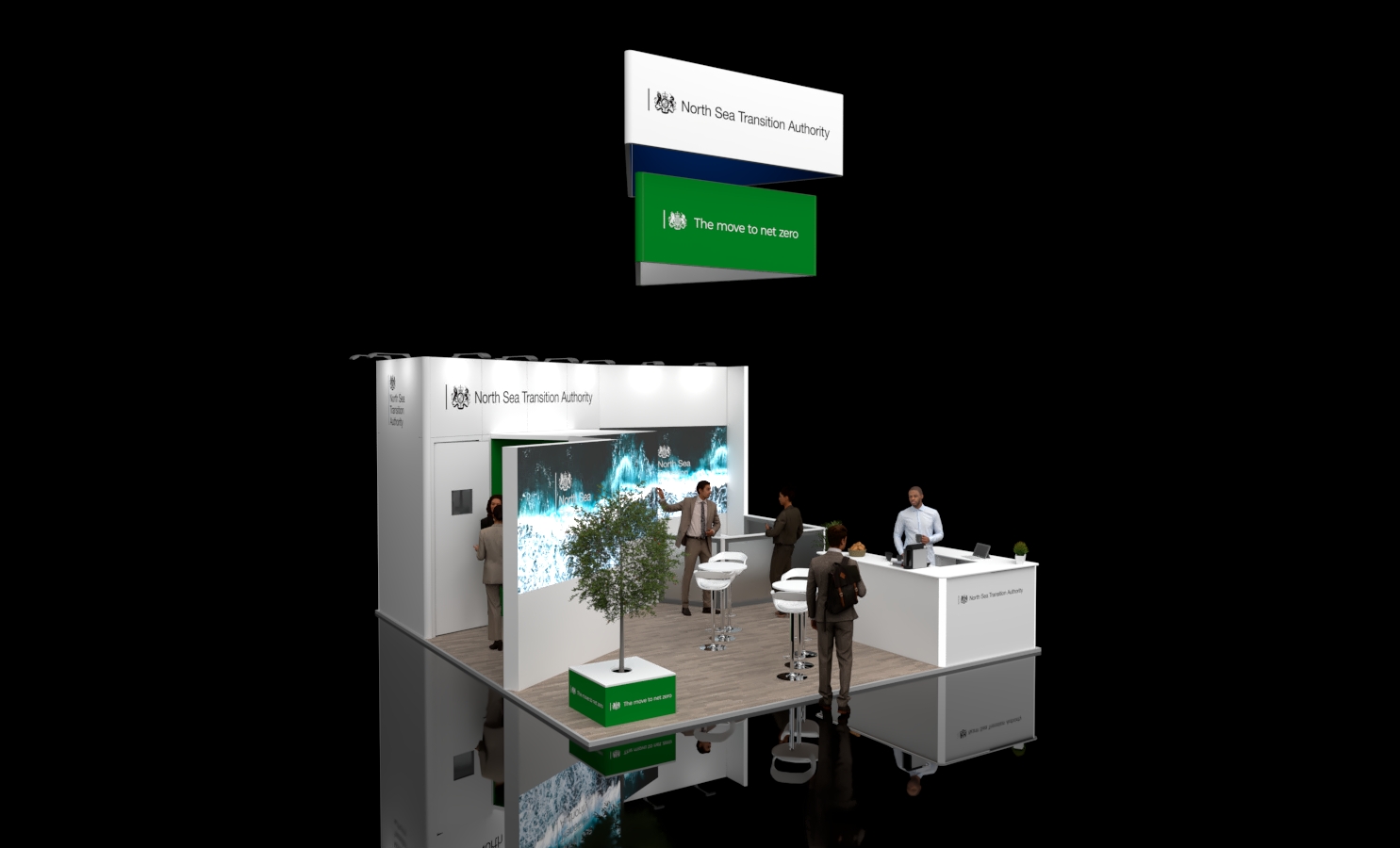
If the venue allows, go high. High-level branding (hanging banners or rotating signs) ensures your brand is visible from the moment attendees enter the hall. This “air space” is critical for brand dominance over competitors.
Flooring
Don’t use the standard carpet provided by the venue. It is often a dull grey or blue that clashes with your branding.
Raised Flooring: Hides cables and gives a premium feel.
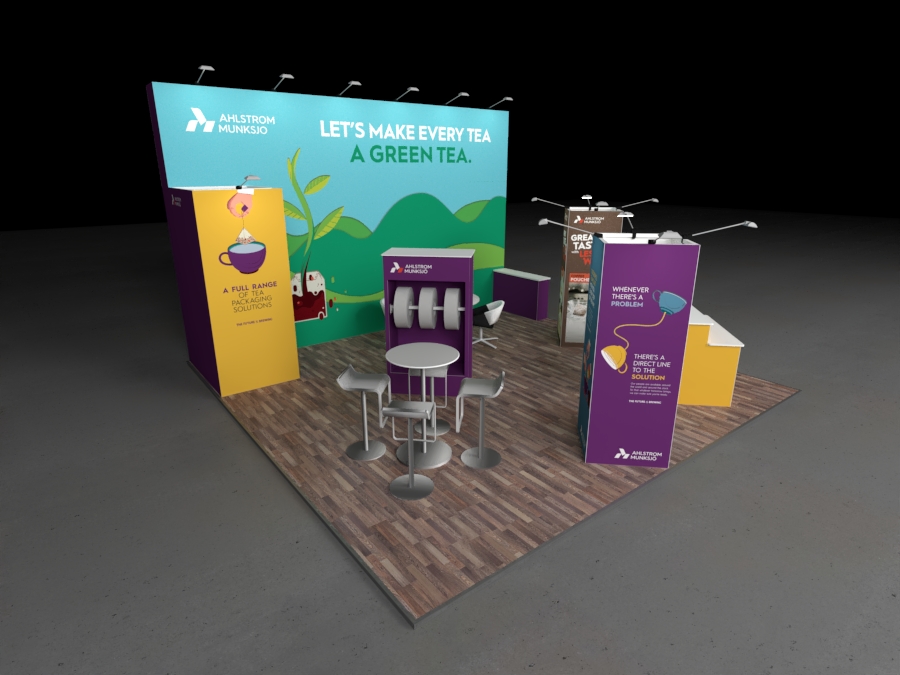
Printed Flooring: You can print your logo, wayfinding lines or digitally print directly onto the floor vinyl to really make a difference.
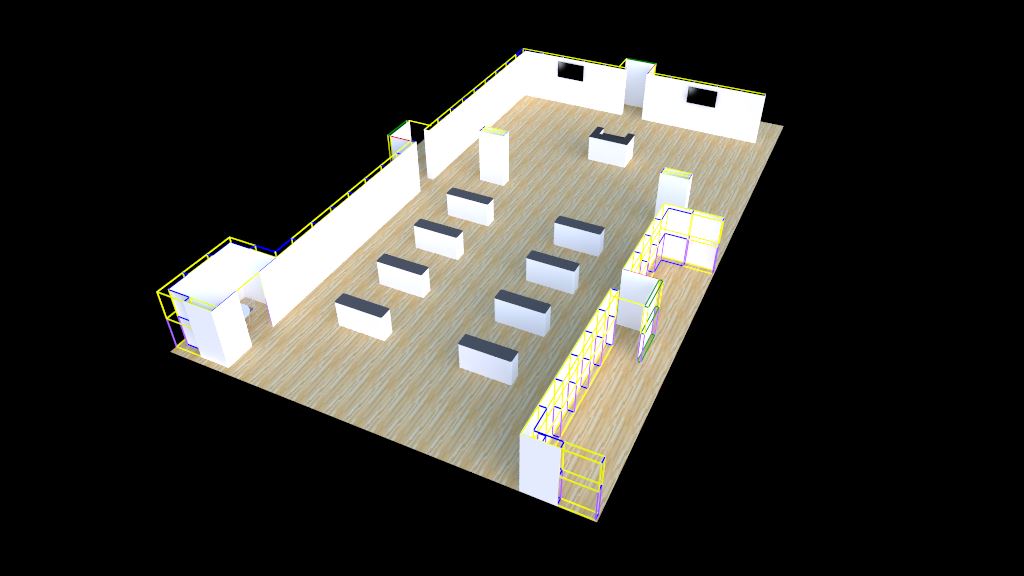
Optimizing Layout for Visitor Flow
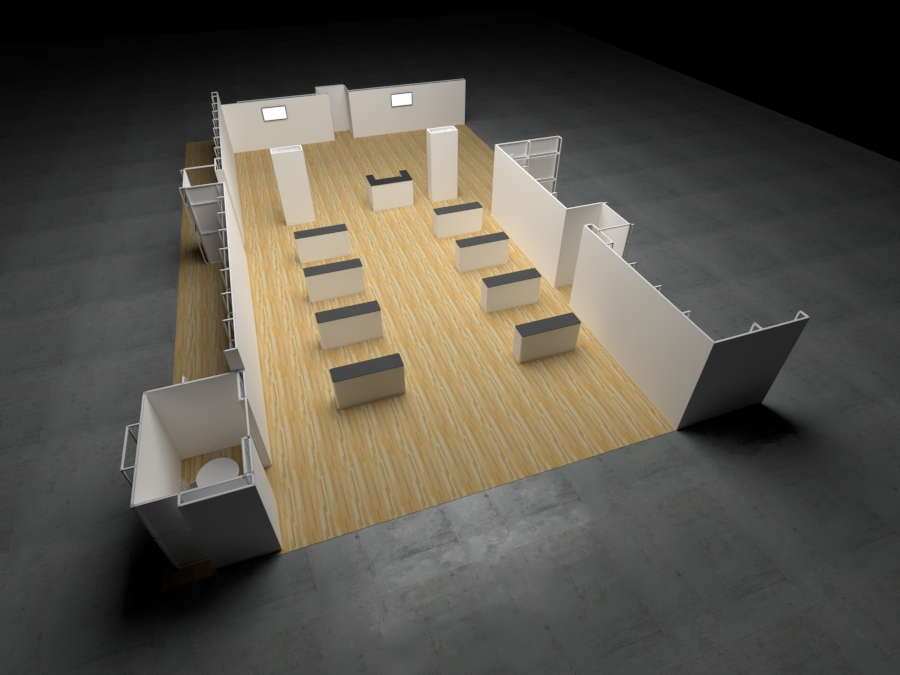
A beautiful stand that is difficult to navigate will kill your conversion rate. Your floor plan must account for human behaviour.
The Open vs. Closed Debate
Open Concept: Removes barriers (like tables) from the edge of the aisle. This is inviting and encourages casual browsing.
Closed/Private: Necessary if you are conducting high-level negotiations or signing contracts on-site.
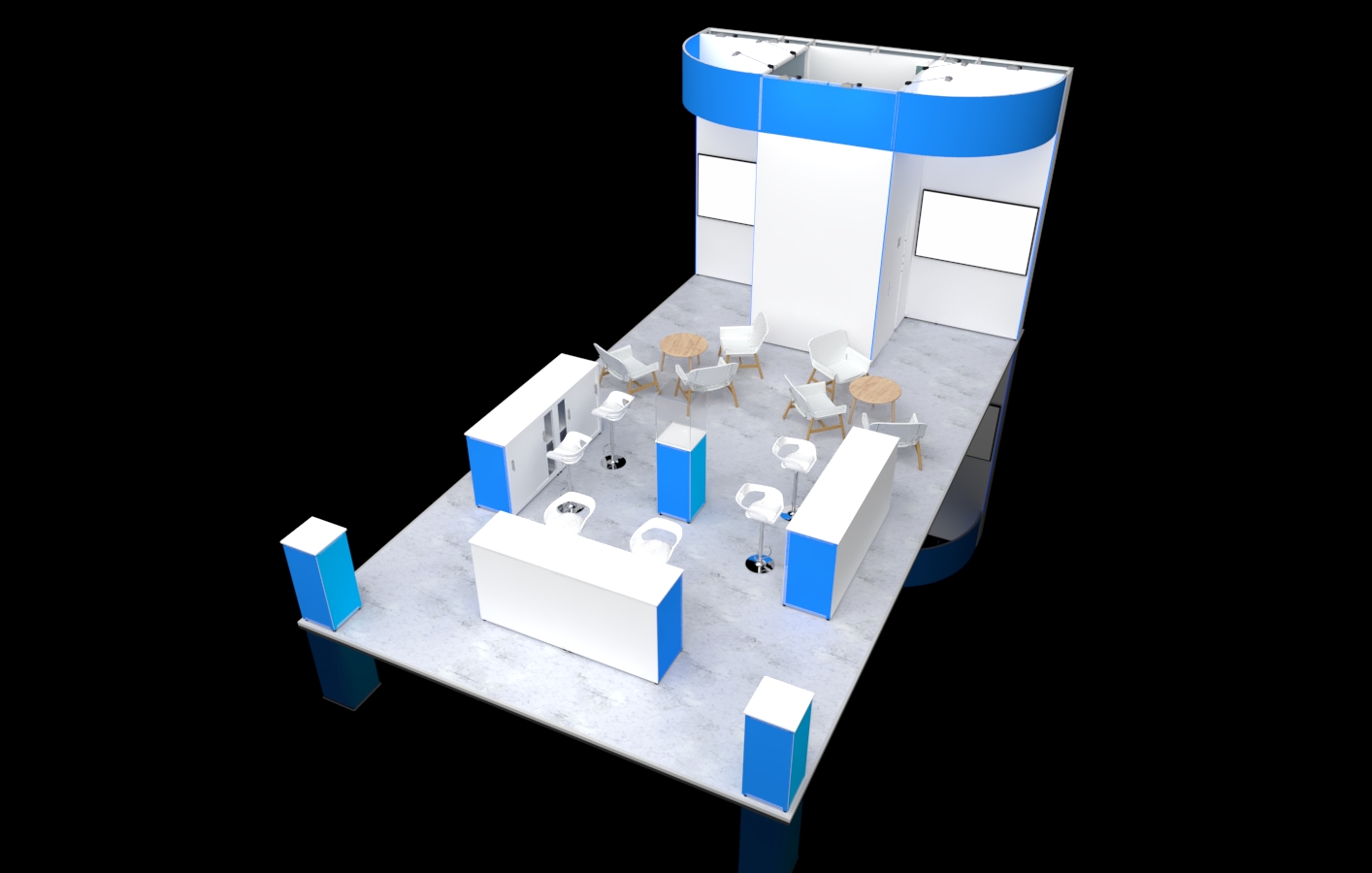
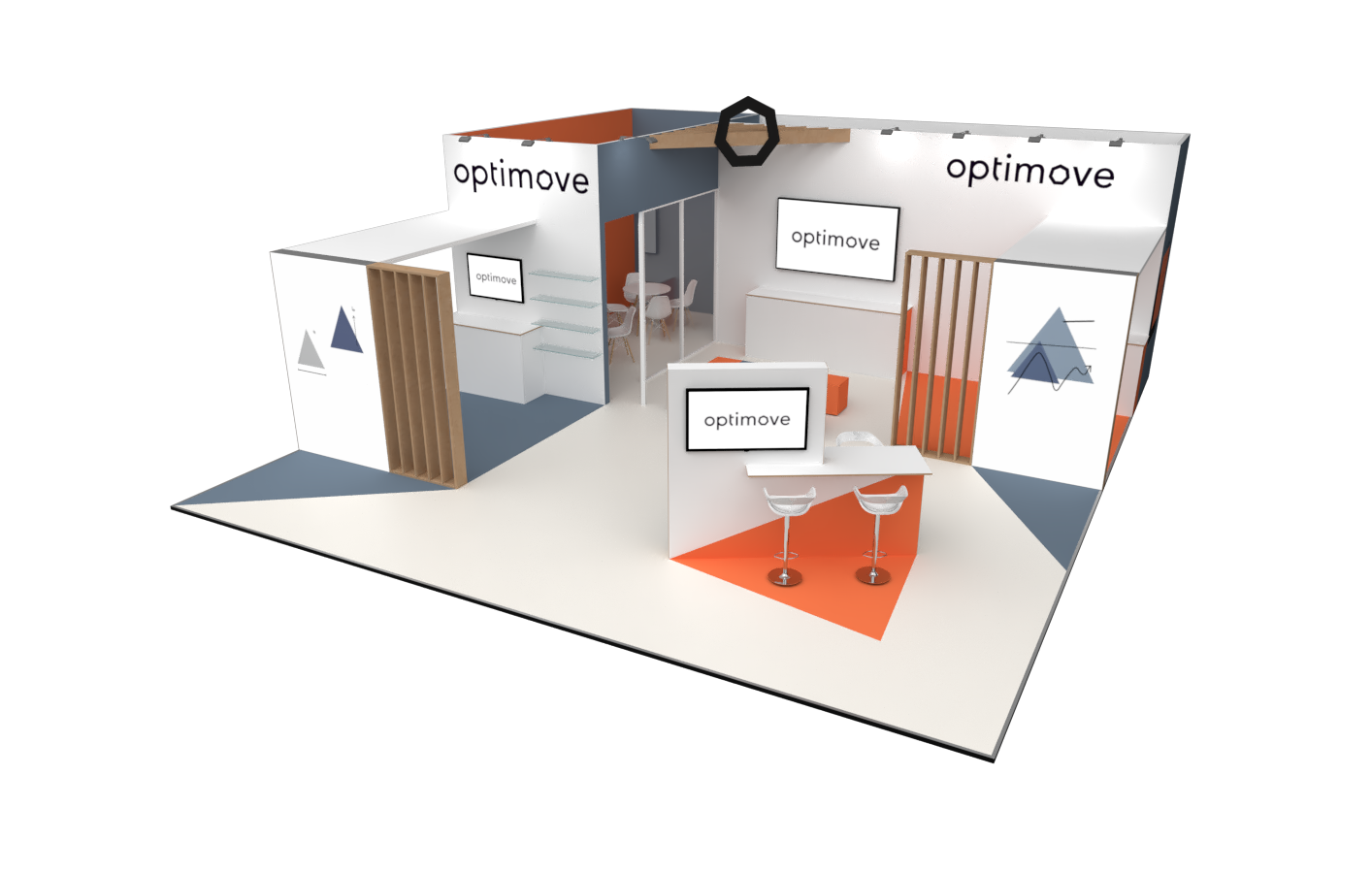
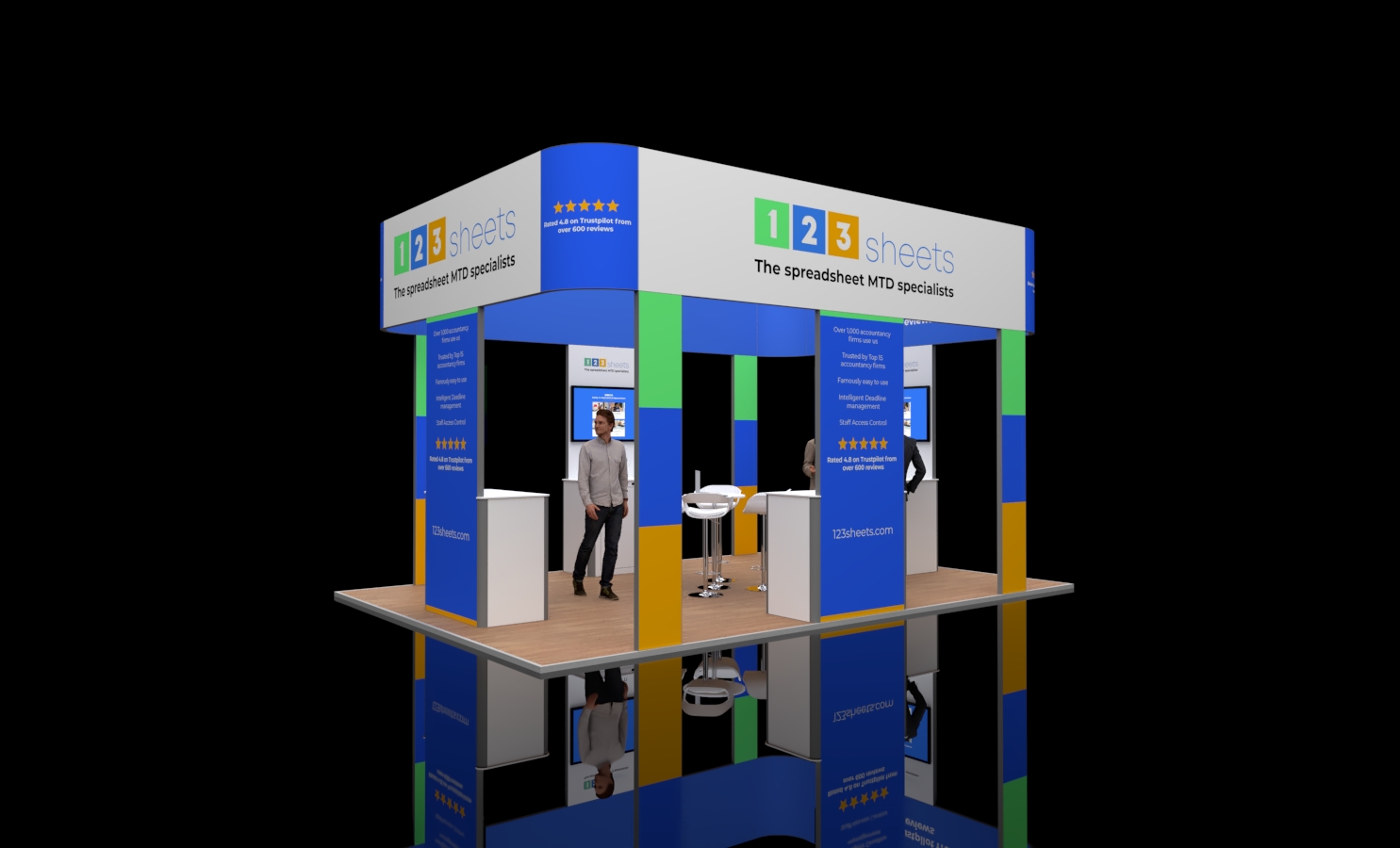
The Hybrid Solution: Most successful exhibition stand designs use an open perimeter for attraction and a semi-private interior or meeting pod for deeper conversations.
The “Decompression Zone”
Avoid placing your main reception desk right at the very edge of the aisle. Give visitors 1-2 meters of space to step onto your carpet, decompress, and orient themselves before your staff approaches them. This reduces the “sales pressure” anxiety and increases entry rates.
Budgeting for Your Exhibition Stand
A common question is: How much does an exhibition stand cost? While prices vary wildly based on materials and labor, a general rule of thumb for 2025 budgeting is:
Space Cost: ~30-40% of total budget.
Stand Design & Build: ~40-50% of total budget.
Services (Electricity/WiFi/Drayage): ~10-20% of total budget.
Pro Tip: Always allocate 10% of your budget for “show services” like electrical hookups and rigging, as these hidden costs often surprise first-time exhibitors.
Conclusion: Turning Design into ROI
Great exhibition stand designs are not just about aesthetics; they are functional marketing environments. In 2025, the winning exhibitors will be those who combine sustainable construction with immersive digital experiences and a clear, visitor-centric layout.
Whether you opt for a flexible modular system or a bespoke custom build, ensure your design serves your primary objective: starting a conversation.